Protect Your Brand: Intellectual Property in the Dominican Republic
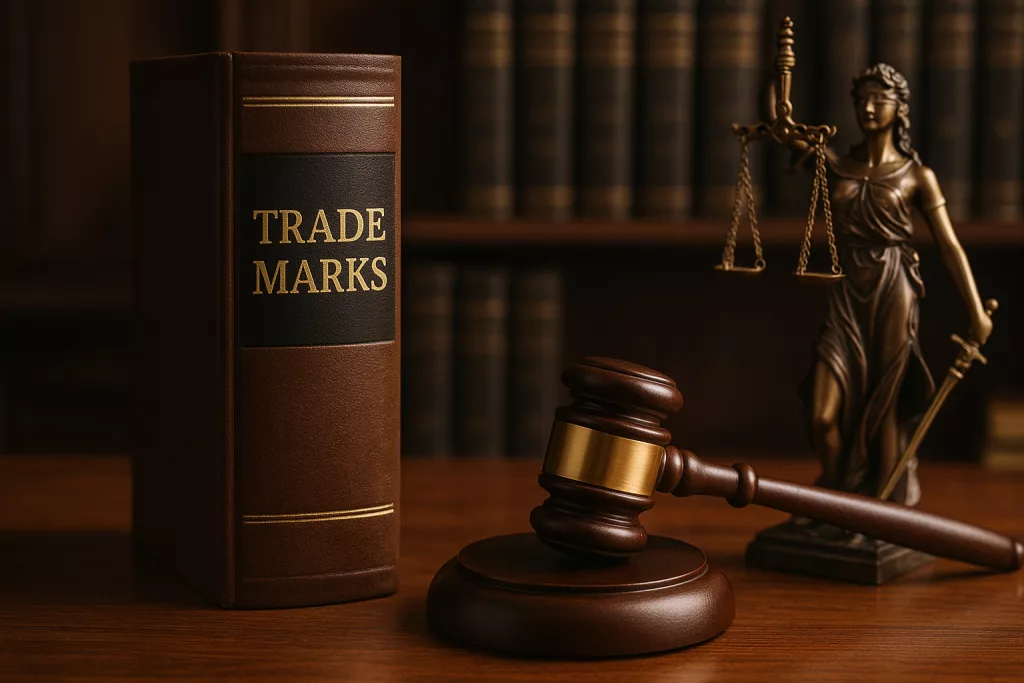
Building a brand that stands out for what it offers requires time, investment, and strategy. However, even the most well-positioned brands can be exposed to misuse or impersonation. That’s why having a legal registration that safeguards your intellectual property is essential to protect your business’s value.
One of the main vulnerabilities of intangible assets, such as trade names and trademarks, is the risk that another company might use similar elements or copy a business’s identity. This not only affects intellectual property but also impacts market competition, sales, and the company’s reputation.
The Dominican Republic has a solid intellectual property framework, governed by Law No. 20-00 on Industrial Property and Law No. 65-00 on Copyright. In addition, the country is a signatory to international treaties such as the Paris Convention, the Patent Cooperation Treaty (PCT), the Agreement on Trade-Related Aspects of Intellectual Property Rights (TRIPS), the Trademark Law Treaty (TLT), and the Berne Convention for the Protection of Literary and Artistic Works.
The management of these rights falls under two institutions:
- The National Office of Industrial Property (ONAPI), responsible for industrial property rights (trademarks, trade names, patents, industrial designs, and utility models).
- The National Copyright Office (ONDA), responsible for protecting authors’ rights and related rights.
Together, they make up the Dominican intellectual property system, which ensures a legal framework for protecting trademarks, trade names, patents, designs, models, and creative works.
This article continues our previous publication, “Intellectual Property in the Dominican Republic: Legal guide to protecting Trademarks, Patents, and Copyrights” While that legal guide provides a comprehensive overview of the country’s IP system, this edition delves deeper into practical aspects such as the difference between trade names and trademarks, the strength of distinctive signs, and strategies to reinforce their protection in the Dominican market.
In simple terms, a trade name protects your business identity (“this is my establishment, and I don’t want anyone using the same name”), while a trademark protects what you sell or the services you provide.
Ideally, you should register both: your company’s trade name and your product or service trademark. This ensures comprehensive protection—defending both your business identity and the exclusivity of what you offer.
What Happens if Two Businesses Use Similar Names?
Two registrations with similar denominations may coexist in the market as long as there is no risk of consumer confusion—meaning they don’t refer to the same or related products, services, or business activities.
However, beyond the similarity between names or marks, not all distinctive signs possess the same level of protection. Some, by their generic or descriptive nature, provide weaker differentiation in the marketplace.
What Is a “Weak” Sign?
A weak sign is composed of generic or descriptive words that merely designate the products or services they intend to distinguish (for example, “Frutas Melón” for apples, mangoes, and melons). To strengthen such a sign, it is recommended to add distinctive elements such as logos, colors, or word combinations.
Here, the visual identity of your brand becomes crucial—its packaging, typography, colors, and graphic style. This collection of elements can also be registered, protecting not only the name or denomination but also its visual presentation to the public.
In this way, even if another company doesn’t use the exact same name, it cannot imitate your visual style without facing potential legal claims or sanctions.
Conclusion
The protection of your intellectual property goes beyond registration; it encompasses the entire experience you build around your brand. Registering your trade name, trademark, and—where applicable—your trade dress is an investment in the longevity and reputation of your business.
In an increasingly competitive environment, protecting your identity means protecting your growth. Registering your brand is not merely a legal requirement—it’s an investment in your company’s value and reputation.
If you require assistance during this process or need personalized advice, don’t hesitate to contact us.