Mapping the Energy Sector: Where Can Global Operators Invest?
The Dominican Republic’s energy sector is undergoing a rapid transformation driven by the diversification of its energy matrix, the transition toward cleaner sources, and the expansion of electricity coverage. This process has made the country an increasingly attractive environment for international investment, with public policies promoting sustainability and technological innovation.
The national goal is ambitious: to reach a 25% share of renewable energy in the power matrix by 2025 and 30% by 2030, with a strong focus on solar and wind energy.
For global operators, the challenge is no longer determining whether opportunities exist, but rather identifying where they are and under what legal framework they can be executed safely, profitably, and sustainably.
A Matrix in Transition
For decades, the Dominican Republic’s electricity generation relied heavily on imported fossil fuels—a costly and unstable model subject to global fluctuations. However, in recent years, the country has taken significant steps toward diversification.
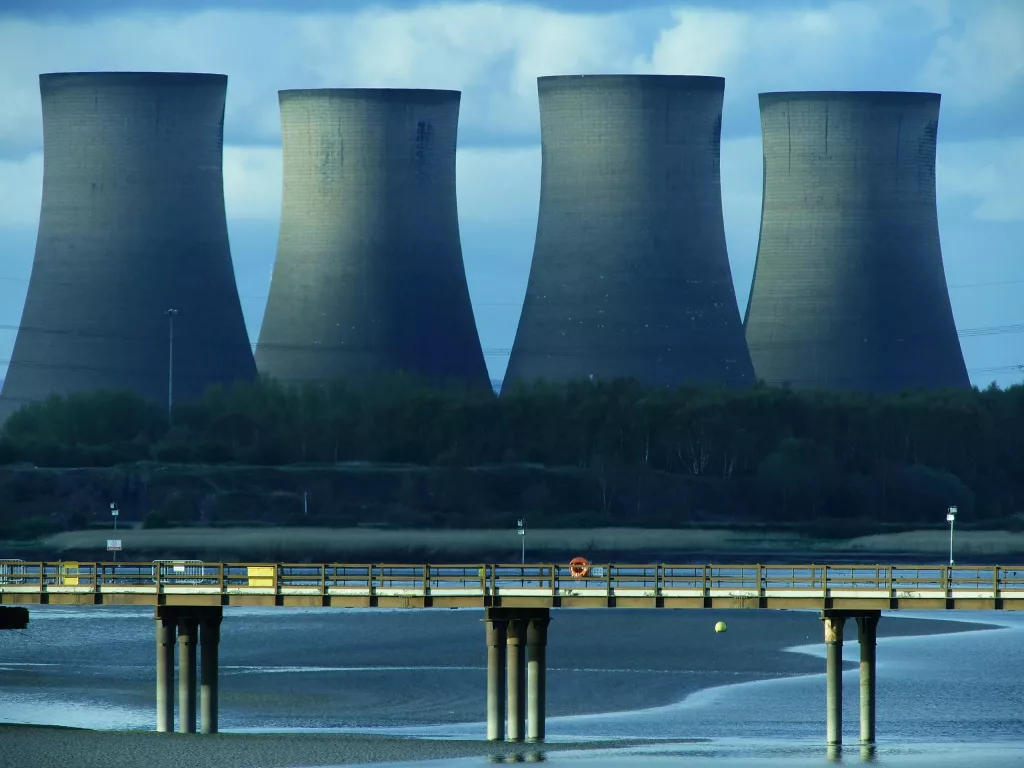
Today, natural gas and renewable energy sources (solar, wind, and hydro) have gained prominence, with steady growth in installed capacity.
The national strategy aims not only to reduce oil dependence but also to ensure more competitive prices and advance environmental commitments. In this context, the demand for transmission, storage, and distribution infrastructure has opened a wide space for private investment.
Legal Framework and Guarantees for Foreign Capital
Dominican legislation recognizes investment as a driver of energy development. Law No. 125-01, the General Electricity Law, establishes the framework for generation, transmission, and distribution, opening the door for private participation in strategic projects.
Additionally, Law No. 57-07 on Incentives for Renewable Energy and Special Regimes grants tax benefits—such as income tax and import duty exemptions—to clean energy projects. Law No. 16-95 on Foreign Investment ensures equal treatment for national and foreign capital, guaranteeing that global investors can operate under legal security.
This regulatory environment, reinforced by mechanisms such as Power Purchase Agreements (PPAs), has built confidence and attracted international funds that have financed solar and wind farms across the country.
A Sustainable Expansion
The future of the Dominican energy sector depends on its ability to attract and strengthen investment in key areas. The goal is not only to close the energy supply gap but also to move toward a more competitive, modern, and environmentally friendly system.
For global operators, this is a timely moment: domestic demand is growing, the legal framework is favorable, and recent projects show that investing in the Dominican Republic can mean both profitability and security.
Financing and Partnerships
Access to international financing is a critical factor. Multilateral organizations such as the Inter-American Development Bank (IDB) and the International Finance Corporation (IFC) have supported energy projects in the country—demonstrating the international community’s confidence in the Dominican regulatory framework.
These institutions not only provide capital but also facilitate the entry of global operators through co-investment schemes and guarantees, reducing associated risks and paving the way for strategic partnerships among foreign investors, local banks, and the state.
Sustainability and Communities
Energy infrastructure investment is also linked to social sustainability. Every new solar or wind farm creates local jobs, training programs, and positive community impact.
Global operators entering the Dominican market find an environment where corporate social responsibility is naturally integrated into business operations, generating shared value. Thus, the country offers not only a growing market but also an opportunity for energy investment that contributes to collective well-being and the transition toward a more sustainable future.
The Role of Legal Counsel
While the opportunities are broad, entering the Dominican energy market requires clarity regarding contractual, regulatory, and tax frameworks. At this stage, internationally experienced firms such as Pellerano & Herrera play a decisive role.
The firm has advised projects in strategic sectors such as tourism, telecommunications, and particularly energy—providing legal support in financing, public-private partnerships, and cross-border operations.
For a global operator, having reliable local legal counsel means mitigating risk and ensuring that every stage—from bidding to operation—is executed in compliance with regulations and with a long-term vision.