

Manufacturing hub: the Dominican Republic’s innovative rise
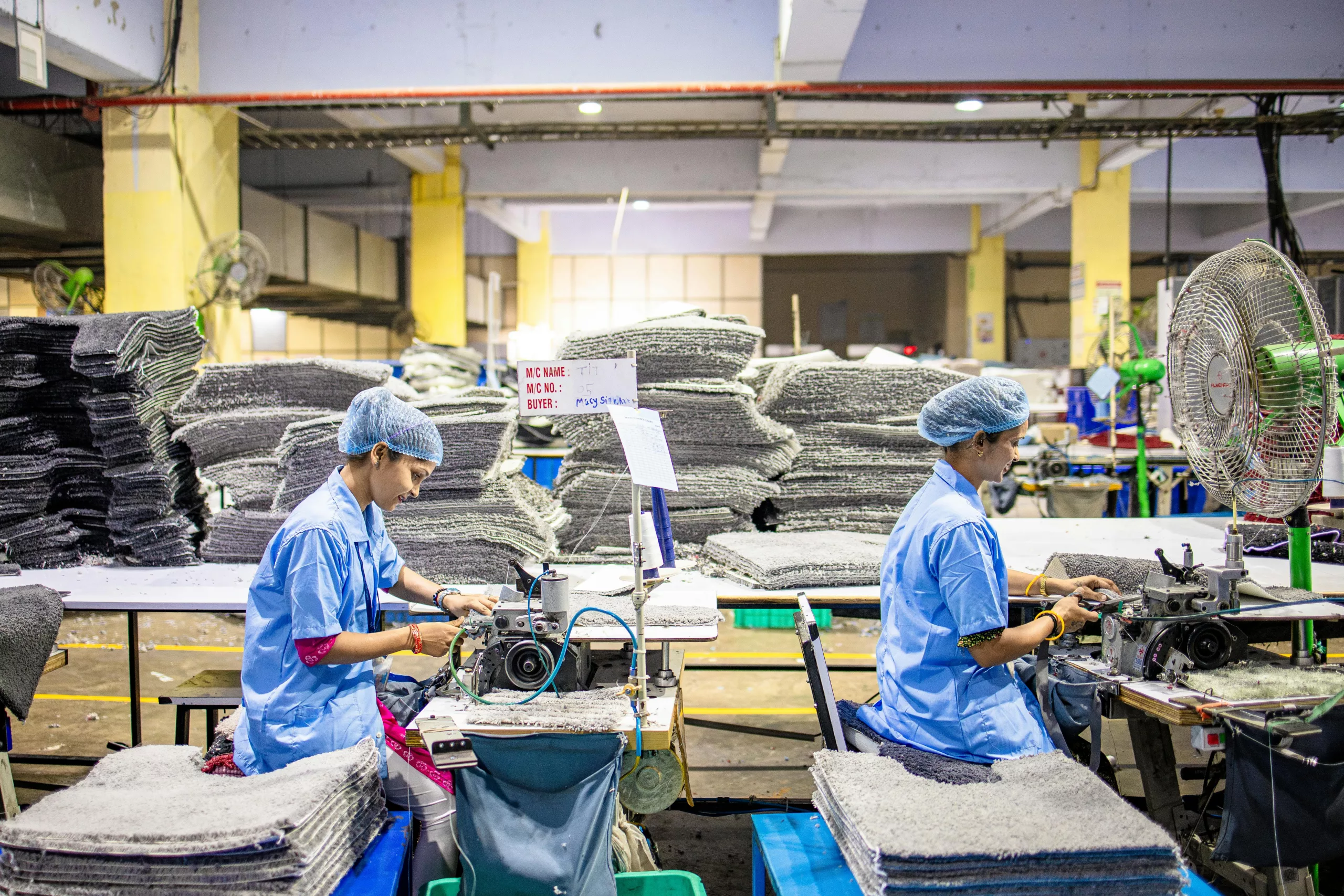
The Dominican Republic is consolidating its position as a manufacturing hub in the Caribbean thanks to its strategic location, modern infrastructure, and extraordinary growth. Market dynamics are marked by supply chain disruptions and geopolitical tensions, which has led many companies to relocate their operations to nearby countries.
This strategy, known as nearshoring , seeks to strengthen logistics resilience, reduce costs, and mitigate risks. Latin America and the Caribbean are emerging as key destinations within this trend, and the Dominican Republic stands out among them.
The free trade zone regime , in place for almost 50 years, has been one of the pillars of this growth. Currently, more than 840 companies operate in the country, distributed across approximately 90 industrial parks, benefiting from tax incentives and a business-friendly environment.
Privileged geographical location and logistical connectivity
The country’s geostrategic position in the heart of the Caribbean represents a key competitive advantage. It is located just two hours by flight from Miami and approximately two days by sea from the main ports on the East Coast of the United States. This proximity to the manufacturing hub allows companies to meet shorter delivery times and respond more quickly to market demands, something difficult to achieve from more distant production centers such as those in Asia.
Furthermore, it boasts a robust logistics infrastructure. It has eight first-class international airports, ensuring excellent air connectivity. In the maritime sector, notable ports include the Caucedo Multimodal Port and the Port of Haina, recognized for their high operational efficiency and productivity.
Thanks to this network , the movement of goods to and from the country is agile, safe, and reliable, which is essential for companies that operate under just-in-time production schemes.
Trade agreements
This location comes with preferential access to the world’s largest market: the United States. The country is part of the DR-CAFTA free trade agreement (CAFTA-DR), which eliminates tariffs on the vast majority of goods traded with the U.S. and Central America.
Additionally, there are trade agreements with the European Union (CARIFORUM-EU EPA) and other regional markets, which significantly expand export opportunities. This allows a manufacturing company established in the country to not only supply the US market but also export without barriers to Canada, Mexico, and Europe, thus consolidating its role as a multiregional manufacturing export hub.
The combination of physical proximity and open trade positions the Caribbean nation as a natural bridge between the Americas and Europe for manufacturing production.
Modern infrastructure and competitive industrial parks
The country has consistently invested in improving its productive infrastructure to support the sector’s growth. Currently, there are approximately 90 active free trade zone parks in different regions of the country. These industrial spaces feature modern warehouses, reliable basic services, and facilities such as water treatment, security, and internal customs presence. The availability of ready-to-operate spaces allows companies to launch operations more quickly.
Tax incentives and free zone regime
A key factor in the country’s attractiveness is its tax incentives , especially for companies operating under the Export Processing Zone system. Law 8-90 establishes 100% exemptions from virtually all taxes and levies for companies located in these industrial parks, ensuring a competitive environment for investing and operating in the Dominican Republic.
These benefits include full exemption from Income Tax, import duties and taxes on raw materials, equipment, and machinery, as well as municipal taxes, customs duties, fees for company formation, capital increases, real estate registration, and the Tax on the Transfer of Industrialized Goods and Services (ITBIS). Thanks to this legal framework, the Dominican Republic offers companies operating in Free Trade Zones a favorable investment environment, adapting to global market demands, and ensuring sustainable growth.
Macroeconomic stability and favorable business climate for the manufacturing hub
When evaluating a destination for productive investment, political and economic stability are crucial. In this sense, the country offers an environment of certainty uncommon in the region. With more than two decades of stable democracy and free-market-oriented policies, it has established itself as an attractive jurisdiction for foreign capital.
The 5% growth in real Gross Domestic Product (GDP) recorded in 2024 , according to data from the Central Bank, reflects the stability and dynamism of the Dominican economy, consolidating it as an attractive destination for investment and expansion of operations in the country.
The legal framework also guarantees investor security: Law 16-95 establishes equal conditions for foreign investment and allows for the free repatriation of capital and profits. Contracts and property rights are protected by the Constitution. All of this creates an ecosystem where starting and operating manufacturing processes is profitable, safe, and predictable over the long term.
Thus, in a global environment where logistical resilience, proximity to major consumer centers, and adaptability to changing market demands make the difference, the Dominican Republic emerges as a strategic ally for transforming challenges into opportunities. Its unique geographic location, robust logistics infrastructure, a clear and competitive tax incentive framework, and nearly half a century of experience operating free trade zones make the country a solid platform for building the future of global manufacturing.
Political stability, sustainable economic growth, and legal certainty strengthen an ecosystem where investment is not only viable but also strategic to ensure efficiency, growth, and long-term success. For all these reasons, the Dominican Republic not only offers an alternative for relocating and expanding operations in the nearshoring era, but also represents a visionary partner for companies seeking to adapt, thrive, and lead in an increasingly competitive and demanding market.