

Tourism investment in the Dominican Republic: 5 legal and tax keys
 Positioning the Dominican Republic as an investment destination
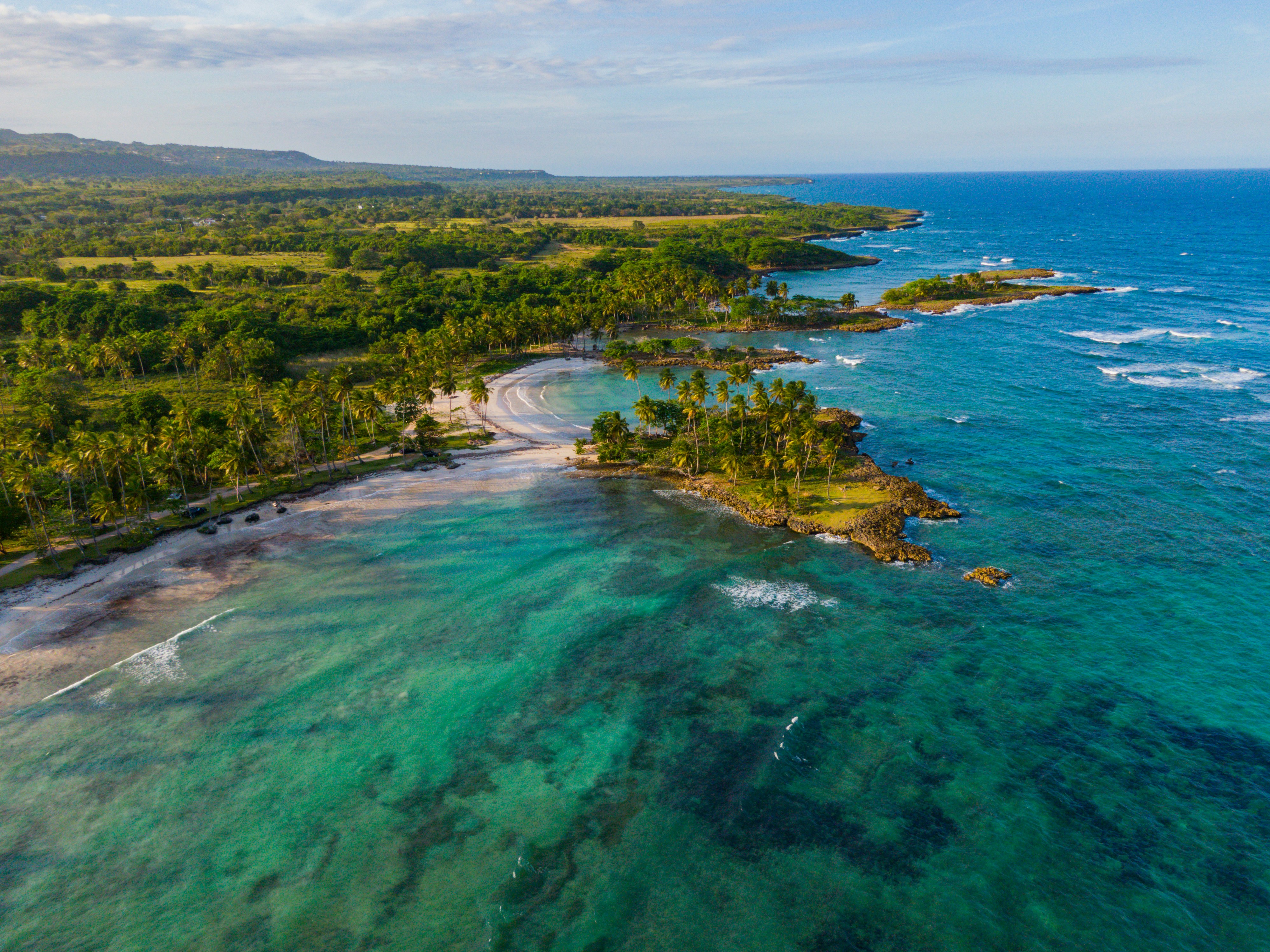
Tourism investment in the Dominican Republic has established itself as one of the most attractive in the Caribbean. Although for a long time, the Dominican Republic was primarily identified as a sun-and-beach destination, in recent years it has gained recognition as an attractive location for tourism and capital investment.
Thanks to these factors, a favorable environment has been created for the development of solid tourism investment projects with real potential for long-term sustainability.
CONFOTUR: key to tourism investment in the Dominican Republic
The success of an investment in tourism doesn’t depend solely on available capital or a good idea. A true competitive advantage emerges when a strategy is designed that takes full advantage of tax incentives, complies with regulatory requirements, and guarantees the project’s long-term sustainability. In this regard, Law No. 158-01 on the Promotion of Tourism Development (CONFOTUR) plays a key role.
This regulation establishes a special regime of tax exemptions for a period of ten (10) years, which includes:
- Income Tax (article 4, literal a).
- National and municipal taxes on real estate transfers and the Tax on Luxury Housing and Unbuilt Land (IVSS) (article 4, literal b).
- Import duties and VAT applicable to equipment, materials and furniture necessary for the construction and equipping of tourism projects (Article 4, paragraph c).
According to official figures from the Presidency of the Dominican Republic, in 2024 more than fifty projects received their final classification under this regime, confirming the relevance and validity of the law as a driver of tourism development. Access to these benefits requires a rigorous process.
Procedure and requirements for accessing tax benefits
The investor must submit a file to the Ministry of Tourism proving the technical, financial, and environmental viability of the project, a fundamental requirement established by the Tourism Development Council (CONFOTUR). A simple error in the documentation or failure to meet deadlines can result in the suspension of benefits, pursuant to Article 18. Furthermore, Article 7 establishes that approved projects have a maximum period of three years to begin operations.
Failure to comply with this requirement results in the partial or total loss of exemptions. In this regard, the experience of specialized firms such as Pellerano & Herrera is crucial in guiding each phase of the procedure and ensuring that projects comply with the established provisions.
Environmental regulation and sustainability in tourism projects
The environmental component is another essential aspect. Law No. 64-00 on the Environment and Natural Resources establishes the mandatory submission of environmental impact studies as a prerequisite for the approval of large-scale projects.
This legal mandate seeks to preserve natural resources and environmental sustainability, but at the same time serves as a tool for credibility and seriousness among international financial organizations.
A well-designed environmental impact study not only prevents sanctions or stoppages, but also opens the door to sustainability certifications and green financing mechanisms that are increasingly valued in the global market.
Legal framework for foreign tourism investment in the Dominican Republic
For foreign investors, legal security is reinforced by Law No. 16-95 on Foreign Investment , which guarantees investment freedom, the repatriation of profits, and the protection of capital registered in the country. Additionally, Law No. 171-07 on Special Incentives for Pensioners and Foreign-Invested Annuities grants tax breaks to foreign citizens with stable incomes who choose to reside in the Dominican Republic, thus promoting a population segment with high consumption capacity and demand for tourism services. These regulatory frameworks strengthen the country’s attractiveness as a destination for tourism investment and retirement.
Public-private partnerships and infrastructure development
Public-private cooperation also plays a growing role in the development of tourism infrastructure. Law No. 47-20 on Public-Private Partnerships (PPPs) regulates collaboration between the State and the private sector for the implementation of projects such as:
- Roads and access routes , which guarantee the connectivity of tourist destinations.
- Water and sanitation systems , essential for sustainable development.
- Energy infrastructure , key to the stability of tourism projects.
Participation in these types of alliances increases the value and competitiveness of tourism investments, promoting their long-term sustainability.
Sectoral licenses and regulatory compliance
In addition to tax and environmental incentives, tourism investment projects must comply with a series of sector-specific licenses. Hotels, travel agencies, tour operators, restaurants, and marinas must obtain the corresponding operating license from the Ministry of Tourism. Failure to do so can result in financial penalties, preventive closures, and, most seriously, a deterioration in the company’s credibility in a highly competitive market.
Document traceability, with complete files and duly registered contracts, thus becomes a guarantee of continuity and protection against the loss of tax benefits due to administrative errors.
 The role of Pellerano & Herrera in tourism investment
Within this framework, Pellerano & Herrera has supported domestic and foreign investors for over seventy years, offering a comprehensive approach that ranges from legal verification of land, including boundaries, easements, and encumbrances, to obtaining environmental permits, CONFOTUR classifications, and corporate structuring of projects.
What distinguishes the firm is its ability to anticipate the interaction between different legal processes. An operating license influences bank financing, an environmental permit can influence architectural design, and the registration of foreign investment provides confidence in the financial markets.
This comprehensive approach avoids setbacks, strengthens credibility, and ensures the success of tourism projects. In a sector as dynamic as Caribbean tourism, those who rely on specialized advice and rigorous planning have a distinct advantage.